Creating Options
Ripples of intention as a way to freedom, legacy, and impact

We are at the point of the year where the Fall/Winter holidays can feel like dominoes rushing into each other, dropping quicker than the next. I am marking this time with new traditions, exploring more third spaces, and spending time with loved ones. When I am not physically close to someone I am thinking about, I send my love and thoughts instead of always picking up the phone. I collected postcards from my summer travel that I jotted love notes to friends and shipped off recently.
I welcome the cooler temperatures and shorter days as I slow the cadence of my travels. I returned to things I started in the summer and completing projects around my home that have lingered, unfinished. The Fall and Winter seasons offer a time to pause, reflect, and plan. My hot bath soaks and steam room sessions feel more delicious after being in the crisp air and desiring a warm place to retreat to.
There are opportunities and shifts with the change of seasons. I am creating new routines and intentionally thinking about what are the actual goals of my moves. With some of the opportunities and projects I’ve been working on coming to an end, I am in the seeding and research phase of what is to come. With the foresight of the future, I plan ahead. I determine my next steps by thinking: will doing this create more options?
I never want to be in a position where I feel forced to do something because of lack, need, or that simply I have no other choice. I am intentionally creating options so I have an abundance of choices. I am letting my effort build.
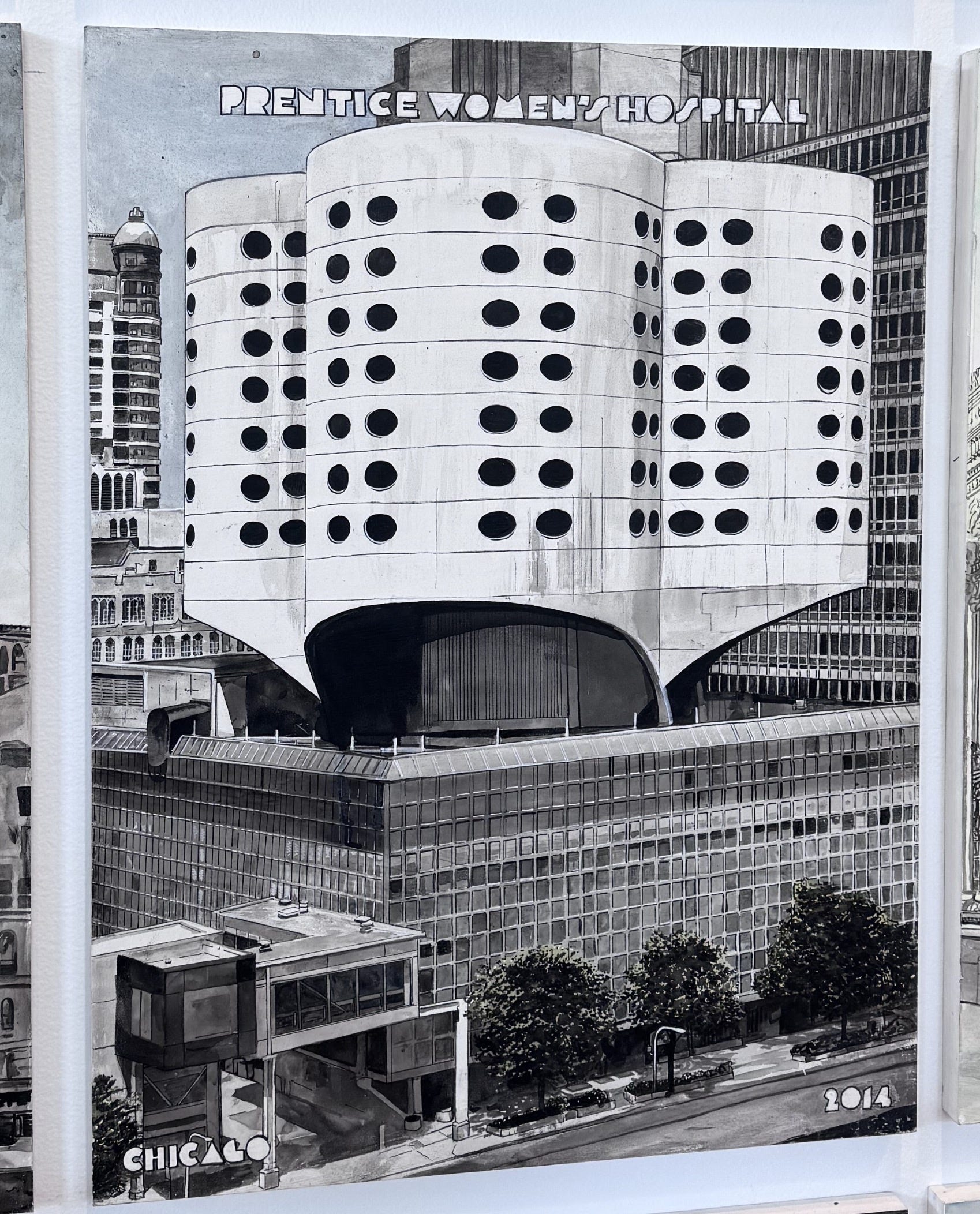
I am focusing on things that I have wanted to do and just making time for it. The art exhibitions, architecture around Chicago, and spaces I have been in over the last several weeks evoked themes of care, archival work, and myth. Watching a screening of Sun Ra: Do the Impossible reminded me of the potential of imagination, wonder, and myth for transformation. Theater Gates’ Onto Thee at the Smart Museum on view through February 22, 2026 showcased objects from people and institutions that have entrusted Gates with everything from volumes of books to roof tiles. He reimagined the use of those objects and created art. In creating art, Gate also has the important role of preservation, at times digitizing the physical objects, and is creating spaces for others to breathe life onto the objects that may have been discarded or unnoticed. The legal way of protecting physical spaces in Chicago are done by landmarking. Landmarks protect buildings from being demolished or renovated beyond the vision of the original architects and any updates focus on restoration and preservation. In my explorations during Chicago Open House, I learned that my favorite buildings in Chicago (Marina City Towers, River City, and Hilliard homes) were all are designed by Bertrand Goldberg. I mourn another building, The Prentice Women’s Hospital that Goldberg designed. It was not landmarked and was demolished in 2014. The River City building is currently not landmarked.
I learned about the grand cemeteries in Chicago, like the Rosehill cemeteries that have beautiful grounds, and my mind’s eye was immediately transported to the cemetery in Copenhagen I visited. I made an intention to visit philosopher, Søren Kierkegaard’s gravesite. It was amazing to see the cemetery integrated into public life. The green spaces were used for walking and benches for people to pause. At the thought of visiting Rosehill, I started thinking of what offering I could bring. I then learned of mi amigo’s ofrenda preparation for Día de los Muertos. I felt ready and connected to create an altar of my own. I thought of the artists and authors that continue to inspire me beyond physical life and whose works are timeless and prophetic—Audre Lorde, Octavia Butler, D’Angelo, and Sun Ra. I thought of my grandparents’ parents, whom I did not have the fortune to meet. I started to get curious about what they were like. I got my family involved to share stories, to find old pictures so I could fill my altar with loved objects. I filled my altar with books and wallet-sized pictures encased in origami frames I carefully made. I engaged daily with my altar, writing letters of my intent: respect and remembrance. I adorned it with protection—selenite, a candle, and a copper cup filled with water I prayed over. I smudged daily in deep reverence. I left my great-grandparents’ favorite drinks and shared sacred moments by my altar meditating and drinking with them on my mind. The final touch to the altar was stringed fresh marigolds.
In building capacities, I create moments for restoration, for support, and connection to those that inspire me. I recently finished reading In search of our mother’s garden by Alice Walker, and have been thinking about the role of the artist and the role of the teacher. I am working on how do I do less, say less intentionally, to in turn enable you to feel more and be empowered to do something about your thoughts and desires. I am allowing others to connect the lines.
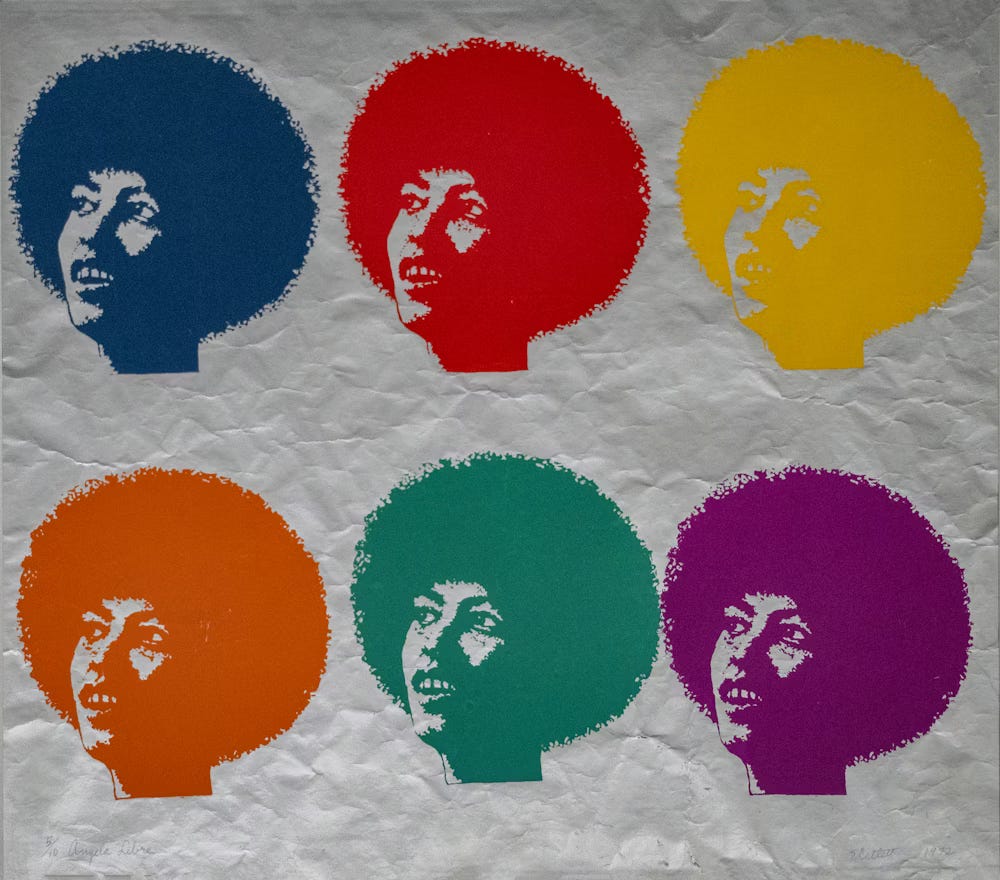
Another exhibit that has stayed with me is Elizabeth Catlett’s A black revolutionary artist and all that it implies at the Art Institute of Chicago now on view through January 4, 2026. Catlett had actively organized on behalf of Angela Davis. My mind’s eye went back to descriptions in Davis’ autobiography. I thought of the global committees and organizing in solidarity with Angela Davis’ wrongful imprisonment. It is a revolutionary act to share our stories, to create and live in a way that aligns with our values and what we care about. Walking around the solo-exhibition with her brilliant printmaking and sculptures begs the question: what happens when we use our talents to uplift and bring awareness to injustice? She created art, demanding our attention on what was happening in the world. She collaged with newsprint, preserving those headlines through her art.
To create more options we have to know:
What is possible?
What (who) else is out there?
How can my talents and gifts be applied to areas I haven’t even considered?
Exploration as ways to uncover new possibilities:
Much of my life has felt the same, yet at different scale or under different contexts. I have volunteered during all parts of my life and realized that when I moved to Chicago that was something that was missing. This summer I challenged myself to start volunteering consistently with different organizations. It has been lovely to discover different parts of Chicago through giving back. I choose organizations that align with my love for art, nature, sustainability, and literature.
Memberships to museums have been a beautiful way to access third spaces and explore. Memberships generally have more perks like +1s, discounts, and members can bring guests. My memberships paid for themselves after a couple of visits and some were fully tax deductible. I savor the intimate member hours at the Art Institute, first thing in the morning, when it is more quiet and I can indulge in lingering at paintings longer.
Books are another way of practically exploring new worlds. Books find you when you need them. You will complete a book when you are ready for its wisdom. I learned about the small but mighty short story, Who moved my cheese? over the summer. The checked out library book has been in my living room for months. I read it in one sitting this week. This is required reading so I won’t go into detail. It emphasized the importance of noticing subtle shifts so we can be prepared when changes come. It reframes questions with action, how can we instead think about moving with the cheese? In safety trainings, they emphasize understanding what is normal so you can identify when something is off. This requires full embodied presence to notice subtleties and shifts.
In designing the life we want, think of the things that are generally in your complete control: your mind, body, spirit, and your personal spaces. If you can’t achieve your ideal vision for things that are in your control, why do you expect other aspects that are not in your full control to be everything you desire first? Realizing your dream life, job, and relationships are more nuanced, they involve others and things not in your control, so naturally come with more complexity.
Focus on doing what is in your control
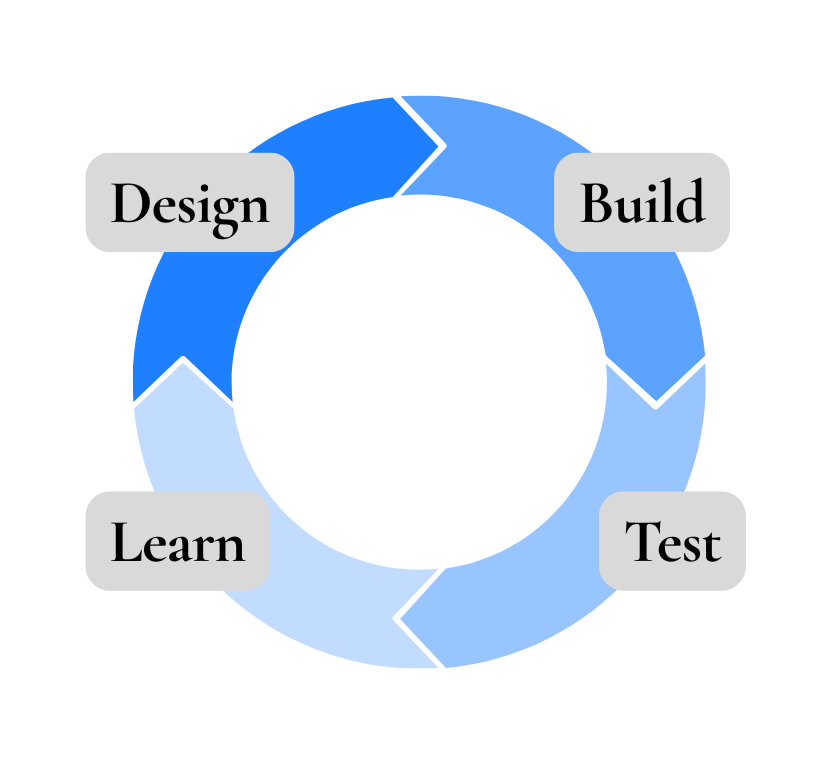
In creating a well-designed life, it requires constant iteration. I love the concept of design—build—test—learn. How can we continually cycle and iteratively learn as we adapt, change, and grow?
In creating more options, I strive to maintain the freedom of determining how I spend my days.
What do you actually want?
Can you see it, touch it, feel it?
Everything is within reach.
The best is yet to come,
Dr. A
Keep reading with a 7-day free trial
Subscribe to de nuevo to keep reading this post and get 7 days of free access to the full post archives.